In partnership with

|
The Reset Series™
Vitae Weekly Reset — Issue #33
|
|
On the Evidence Being Lopsided
|
|
Most health claims don’t fail cleanly. They hold up in one direction and fall down in another, and the useful question is usually which is which.
This week has five of them. Saunas have some of the most impressive epidemiology in lifestyle medicine and some of the least impressive trial data — the same practice, two very different pictures depending on which study you read. Flavanols have a formal daily target now, and new research finding that fewer than one in five people reach it even when eating properly. The early-dinner trend has plenty of association behind it and one randomised test that found nothing. The energy drink ban looks inconsistent until you notice what it’s actually aimed at. And phone elbow is a real condition wearing a misleading name.
None of these are debunkings. They’re calibrations — which half of the claim to keep.
— The Vitae Team
|
|
|
|
This week on the Vitae blog
|
|
Do Saunas Really Have All Those Health Benefits?
Finnish men using a sauna four to seven times a week had roughly half the risk of fatal cardiovascular events. The randomised trial designed to explain why found nothing.
Read →
|
|
|
What Are Flavanols, and How Do You Get More?
There’s now a formal daily target, and fewer than one in five people hit it — including people following five-a-day. The problem isn’t quantity, it’s which foods you pick.
Read →
|
|
|
Do Early Dinners Actually Help You Sleep?
The observational evidence is on the trend’s side. The one randomised test of the central claim moved dinner from five hours before bed to one hour before, and found no change in sleep architecture.
Read →
|
|
|
Energy Drinks and Teenagers: What the Evidence Actually Shows
England will ban sales to under-16s from April 2027. Coffee, which contains comparable caffeine, stays legal — and that gap explains what the policy is really targeting.
Read →
|
|
|
Is There Such a Condition as Phone Elbow?
Yes, but it isn’t tennis elbow, and the phone isn’t quite the culprit. What the evidence says about elbows, keyboards and modern devices.
Read →
|
|
July 22-24: Build, Launch, & Own Your First App With Ai
Your industry has a problem you've been describing for years. Now you can build the fix yourself - no code, no dev team, no experience needed. Justin Burns shows you how, live, in 3 days. Free to attend.
|
This week’s deep dive
The Sauna Evidence
Saunas are an unusual case. Most wellness practices have loud marketing and thin evidence. This one has genuinely serious epidemiology behind it — 2,315 Finnish men followed for two decades, a clean dose-response relationship, and associations extending to stroke, dementia, pneumonia and all-cause mortality.
What it lacks is confirmation. An eight-week randomised trial in adults with coronary artery disease, built to replicate the exact protocol linked to the biggest mortality benefit, found participants acclimated to the heat — but showed no improvement in endothelial function, arterial stiffness or blood pressure.
But the most interesting recent finding isn’t thermal at all. UK research from Oxford and Greenwich found the wellbeing benefits ran through feelings of belonging — suggesting the ritual and the company may be as active an ingredient as the heat. Which is the same conclusion the tennis research reached by a different route.
Read the full piece →
|
|
|
|
Quick wins for this week
|
|
Drink the tea
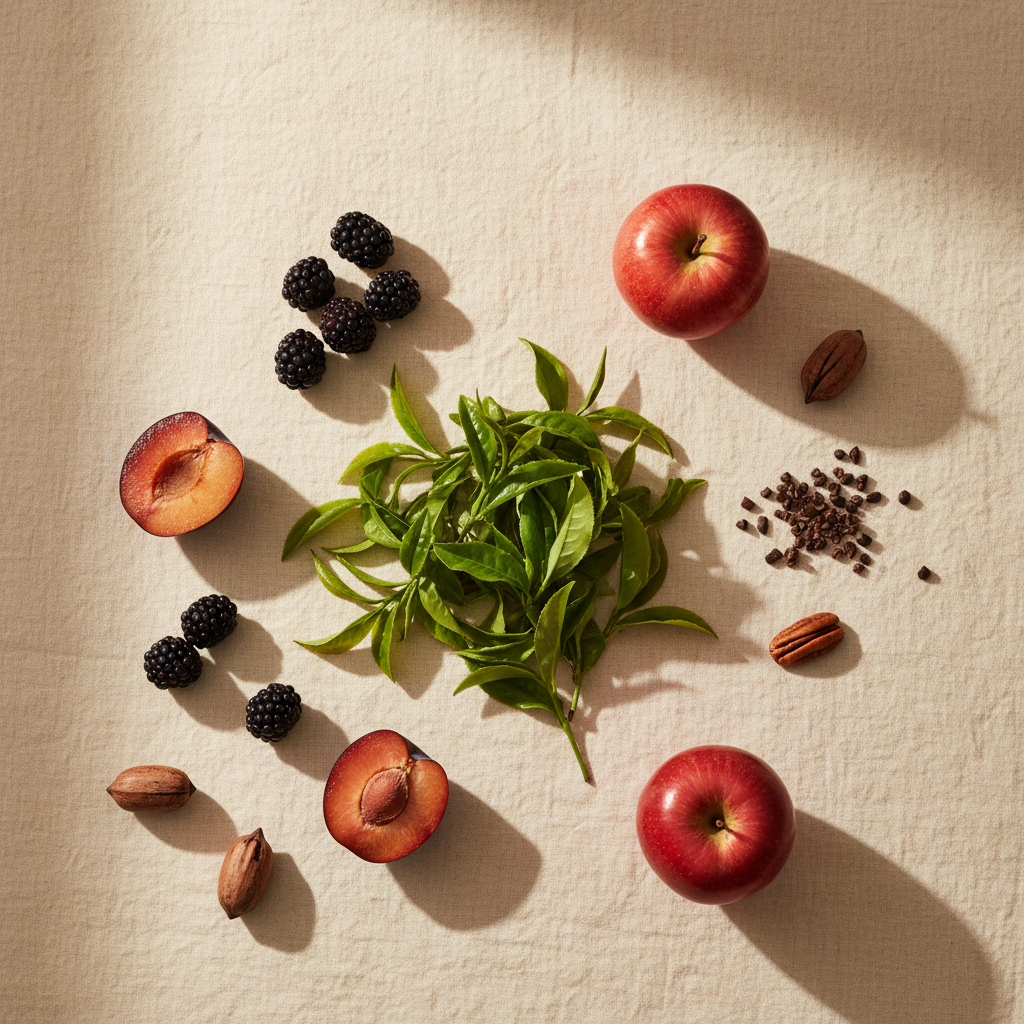
Green tea is by far the most efficient flavanol source — around 320mg a cup, against a 400–600mg daily target. Two and a half cups gets you there before you’ve eaten anything.
|
|
Stop counting on the chocolate
Three squares of 80% dark chocolate contains roughly 20mg of flavanols. Most commercial chocolate is also alkalised, which destroys much of what’s left.
|
|
If you sauna, go with someone
The belonging finding suggests the social side may be doing real work. The community sauna beats the solo cabin.
|
|
Check the timing, not the clock
If you sleep badly after late meals, look at the size of the meal and the drink with it before you look at the hour. Both have better evidence than dinner time itself.
|
|
|
|
|
|
There’s a version of health writing that sorts everything into works and doesn’t work. It’s tidier than the truth. Almost everything in this week’s five sits somewhere in between: real mechanism, uncertain outcome; strong association, absent causation; genuine condition, misleading name.
That’s not a reason for cynicism. It’s a reason to ask, of anything you’re told: what specifically is the claim, and which part of it has been tested?
Back next Wednesday.
The Vitae Team
|
|
What If You Could Build Your Own Apps In 3 Days?
Not a course. Not a tutorial. A real, working app built live with our team in 3 days - no code, no experience needed. Justin Burns walks you through every step. Free to attend July 22-24.
|
If you missed Sunday’s Lifestyle Edit
|
|
The Product Edit
Six Products, Measured Against Their Own Claims
|
|
|
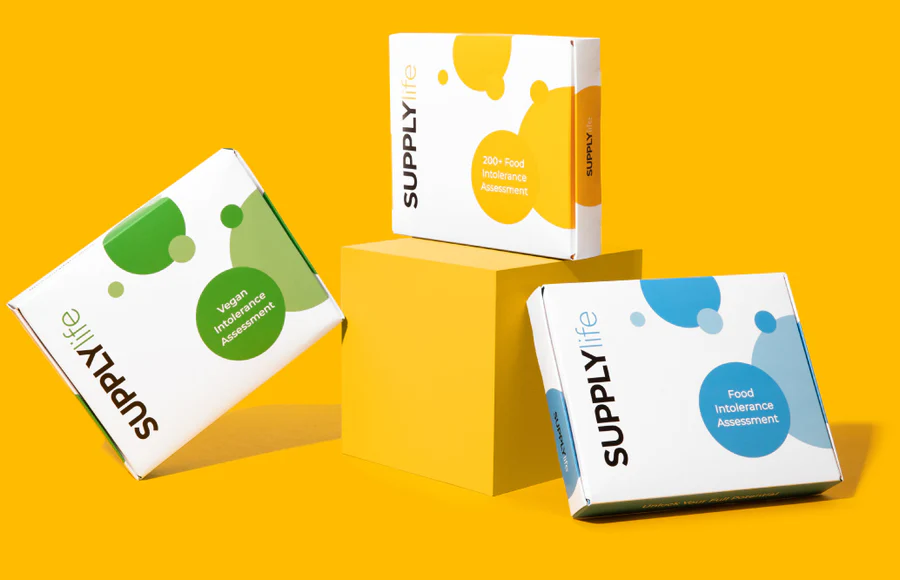
We looked at products rather than places for the first time in months — six things bought to measure or improve the body, each measured against its own claim. A watch that stopped needing a phone, a body scan that’s honest about being a baseline, a creatine that’s simply made properly, and three that promise rather more than they deliver.
|
|
Read The Product Edit →
|
|
In this edit
|
| |
|
Wake Up Smarter About AI.
Most AI news is a waste of time. The Future Today is a daily 5-minute read focused on what actually matters.
You’ll get exclusive interviews with the CEOs, researchers, and builders shaping AI. Plus top stories broken down simply and practical advice you can immediately apply.
Read the newsletter trusted by teams at NVIDIA, Google, Anthropic, Meta, Dell, and Salesforce.



