|
This week’s deep dive
The Maxxing Trap
Three trends. Three different bodily systems — hormones, cell signalling, fertility. One underlying mistake.
T-maxxing assumes more testosterone is always better, mostly targeting men already at their biological peak, and often reaching for unprescribed hormones that suppress the body’s own production and can cause infertility.
Peptide culture borrows the legitimacy of insulin and GLP-1 medicines — genuine, rigorously tested peptide drugs — to sell experimental compounds like BPC-157, where promising animal research is still backed by remarkably little robust human clinical evidence.
And spermmaxxing responds to a “sperm count crisis” complicated by a 2026 Irish study of more than 18,000 semen analyses, which found concentration rising 22.8% over 15 years rather than falling.
The connecting thread across all three: a real biological signal, or a genuinely unsettled scientific debate, gets simplified into a confident instruction to optimise. The body doesn’t reward that instinct as reliably as the marketing suggests.
Read T-Maxxing →
Read The Peptide Boom →
Read Spermmaxxing →
|
|
|
|
Quick wins for this week
|
|
If you’re a young man worried about “low T,” get tested properly before doing anything else
Most young men are already near their lifetime testosterone peak. Genuine deficiency requires compatible symptoms alongside consistently low testosterone, usually confirmed with repeat morning testing — not a feeling that you’d like to be higher in the range.
|
|
Treat “research grade” peptides as exactly what they say they are
Not medicine. Not tested for human safety at scale. If you’re interested in peptide therapy, that conversation belongs with a licensed physician, not an online supplier.
|
|
Don’t panic about sperm counts based on a headline alone
The evidence is genuinely split between studies and populations. What’s much better established at an individual level — smoking, obesity, excessive heat and heavy alcohol consumption — is worth addressing regardless of where the population-level sperm-count debate eventually lands.
|
|
For menopause, prioritise plant quality over the label
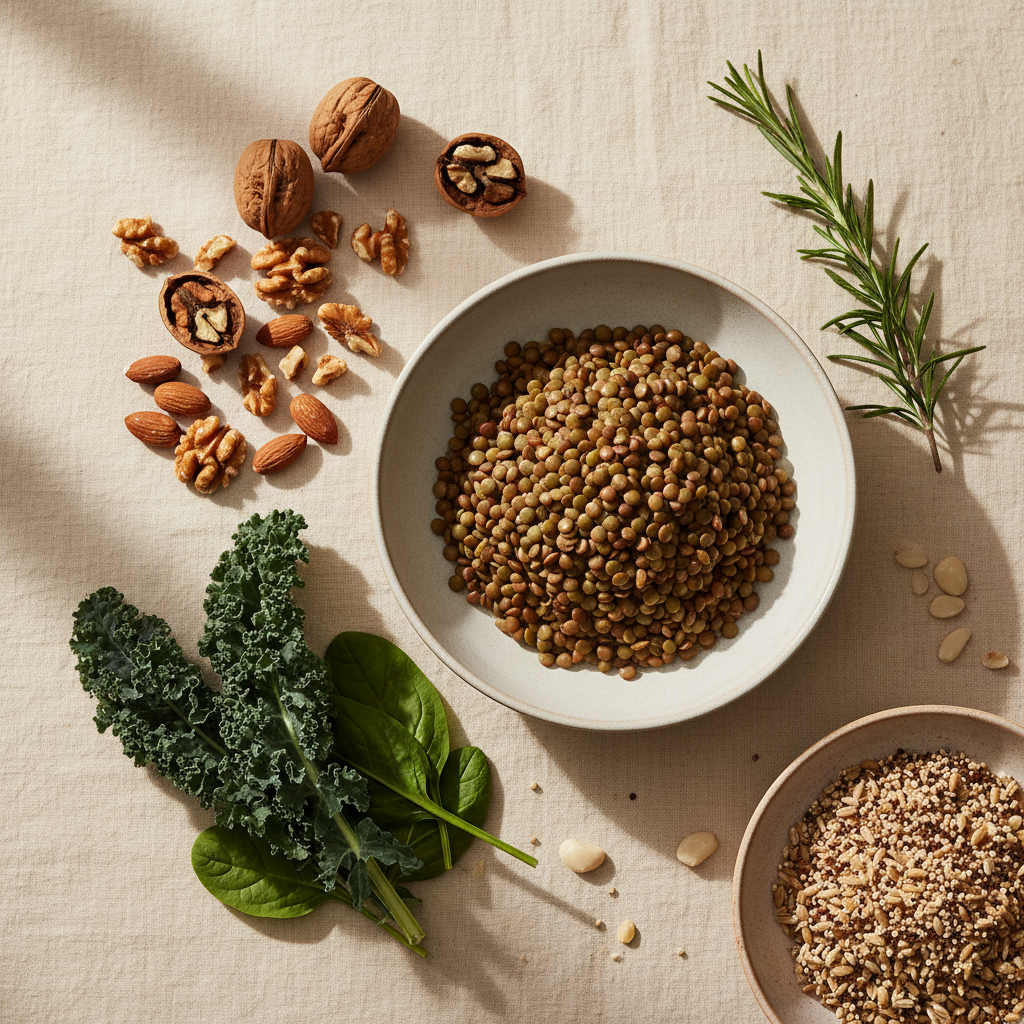
The dietary patterns performing particularly well in the newest research were rich in whole grains, legumes, vegetables, fruit and nuts. That strengthens the case for plant-forward eating, not for assuming every plant-based diet is superior to Mediterranean eating. Protein still needs its own attention.
|
|
|
The Reset Companion
Working out whether something you’ve read about — a trend, a supplement, a new study — actually applies to you, rather than to the internet in general, is exactly the kind of question the Reset Companion is built to help with.
Try the Reset Companion — 30 free messages →
|
|
|
|
Every “maxxing” trend runs on the same premise: that a healthy system is one pushed to its upper limit. Testosterone, fertility, cellular repair — none of them work that way. The body regulates itself for reasons, and the reasons are usually more interesting than the workaround.
The more useful question, most weeks, isn’t “how do I maximise this.” It’s “is this actually a problem, and for me specifically.” That’s a harder thing to sell a supplement stack against — which is probably why it gets asked so rarely.
Back next Wednesday.
The Vitae Team
|
|